Warragul Bonsai Group
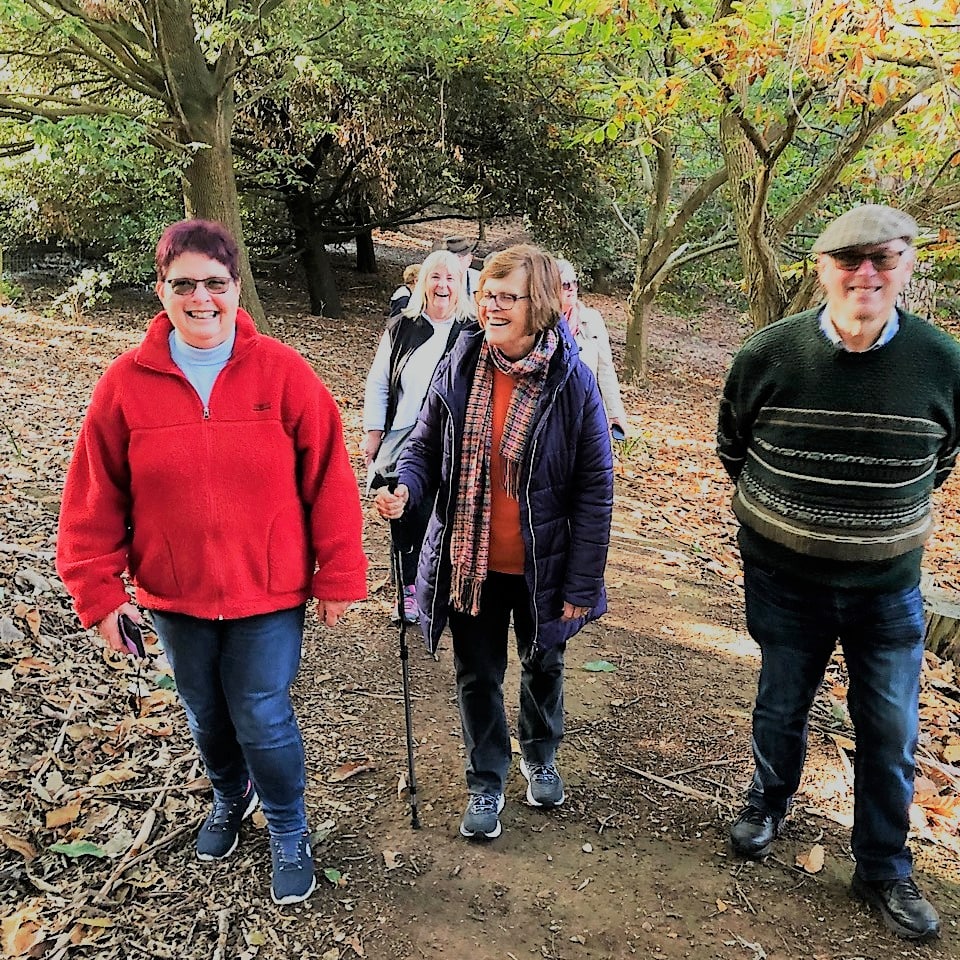
The Warragul Bonzai Group is a club which specialises in working with Bonsai’s. Some of its members also attend meetings of the Warragul & District Garden Club. However it is a great hobby for those without gardens. Check here for regular updates
Warragul Bonsai Group meets the third Thursday of each Month. New members are very welcome. Any enquiries contact Carol 0438 877393 or Warragulbonsaigroup@gmail.com
CLUB NOTES
February 2026
This time of the year we are looking at what we need to do with pines. It is time to continue branch ramification after the initial preparation of candle cutting in early December. The aim is to build new branches and shorten needle growth to suit a small tree. Growth since December appears as several new buds. We now reduce these to two. Select opposites if possible but if this is not available, choose an option we can wire into position later when grown. If we catch budding early the unwanted can be pinched or tweezers used. If the buds are longer, cut with scissors. On strong branches leave weak buds and on weak branches leave strong buds. Leave needle plucking until Late Autumn/Winter when we will be wiring or re potting.
It is also a busy time with Junipers. Foliage is their power engine. Vigorous top growth must be balanced with encouraging the weaker lower foliage. Cutting back now for new healthy growth before winter when nothing happens with the tree. We can wire now after pruning, taking branches down as though loaded with snow.
Melaleuca and Leptospermum are actively growing in summer so need pruning now. They will back bud so pruning shortens growth that is getting too long. These species are nicely displayed in well organic pots which work well with bark colour.
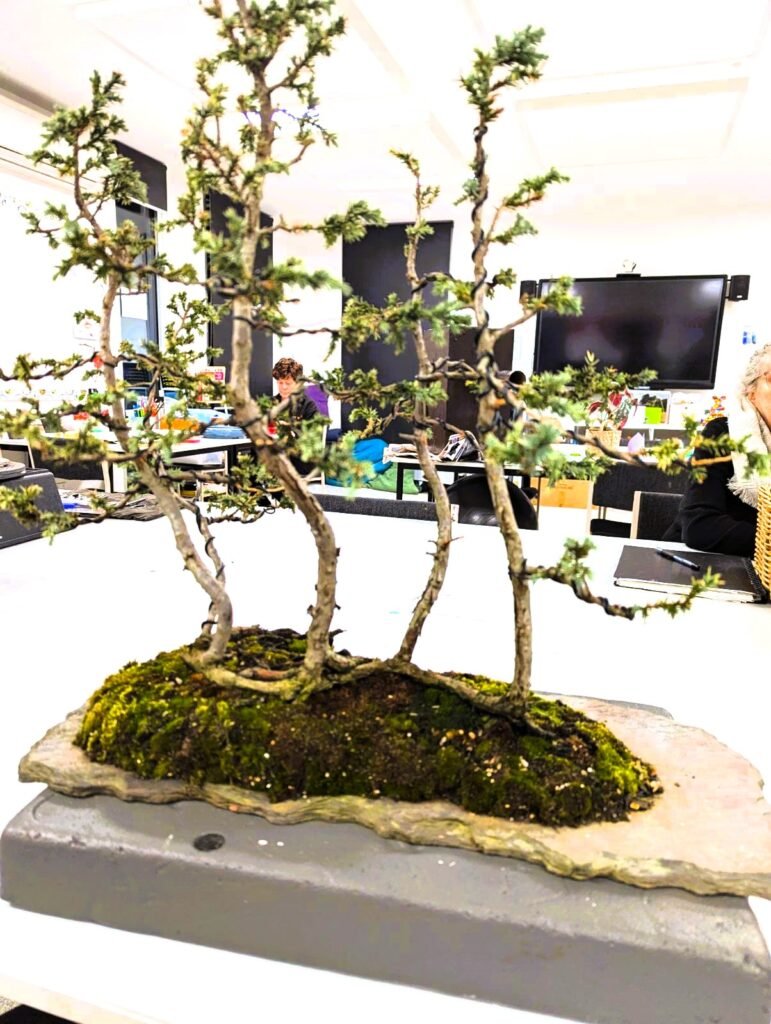
A Shimpaku Juniper is a good example of the twin trunk style. It is important to have the division of trunks as close to the soil surface as possible, then graduate the pads, known as Seven Steps to Heaven.
The importance of fertilising our trees now is stressed. This prepares sugars in the tree ready for spring budding. Liquid feed each fortnight with Power Feed and Seasol, wetting the pot first, then applying liquid feed.
Interested in the art of Bonsai? Warragul Bonsai Group meets the third Thursday of each Month. New members are very welcome. Our next meeting will be 7.30pm, 19th March. Located rear of the Community College Gippsland, 71 Korumburra-Warragul Rd, Warragul. Any enquiries contact Carol 0438 877393 or Warragulbonsaigroup@gmail.com
The All Important Subject of Tools.
We can survive with the simplest of instruments we may already have in the garden shed. Sharp blade, pointy nosed pliers, pliers, tweezers and a folding pruning saw are a few. Then there are many specialist items we should have in our bonsai tool box.
Japanese are better manufactured over the Chinese counterpart. Stainless steel are better than steel, they won’t rust. These can become a little expensive but we can build our collection one by one, starting with branch cutters and scissors, then root pruners and wire cutters.
Different sized scissors for small and large trees or the job at hand. This is also important for branch cutters, tiny or quite large relative to the size of the branches being worked on. Profile choices are parrot beak or concave depending on the type of wound we want to leave on the tree. If the cut gets too difficult, don’t overwork your tools. If the cut becomes too challenging, go up a size, saves damage to the tool.
Branch splitters aren’t often used and could be left for the more experienced enthusiast. Similarly a Dremmel carving tool is used for more ambitious work.
Chopsticks, craft blades, toothbrush for algae or a soft wire brush are all handy. There is available a small specialist block to help keep the blade clean of sticky sap or use a light emery board. Always sterilise the tool between plants. Eucalyptus oil is a good cleaner after each session.